
Background:
Who tells the truth in times of post-truth politics? Which is the true story of our past? What is the story of democracy in our countries? Which different stories shape societies in times of immigration and diversity? What is the story of our lives as (future) active citizens? With this project we will make stories happen; we will not just share them. We will use them to understand each other, to compare our narratives, to learn about the different paths to democracy in our countries, to understand the concept of diversity and to design our future projects as activists of civil society. We will listen carefully to those, who are afraid and left behind; we will provide a space to be heard for those who doubt; we will create a platform for those who want to act; and we will develop projects for those who want to keep things together.
Aims and guiding topics:
1. The truth about the past: Both countries faced a great influx of immigrants. Why did people come to our countries and from where? And how is immigration discussed now? We will share our family biographies and learn how large-scale events influenced them. We will compare our historic narratives and see to what extent immigrants contributed to them.
2. The truth about democracy: Who feels represented and who feels left behind? Who speaks for the “silent majority”? Whose voice is not heard? We will look at how democracy works in the U.S. and Germany. We will speak to politicians. In a simulation game, we will develop our own vision of what democracy should be like.
3. The truth about diversity: How do we handle diversity in our countries? How can we counter discrimination and exclusion? In practical exercises we will learn how to establish true dialogue in our environment. In field visits to NGOs and youth projects we will learn how to have an impact on current events.
4. The truth about our impact: What can “we” as individuals and in groups do to shape the future for the better? Which are the next steps to create change? In the last step, we will use the seminar experience to develop follow-up activities that can be realized in our home communities and countries.
Knowledge transfer:
This is not just about a two-week interdisciplinary seminar. The impact of this project will thus go far beyond the duration of the actual seminar program.
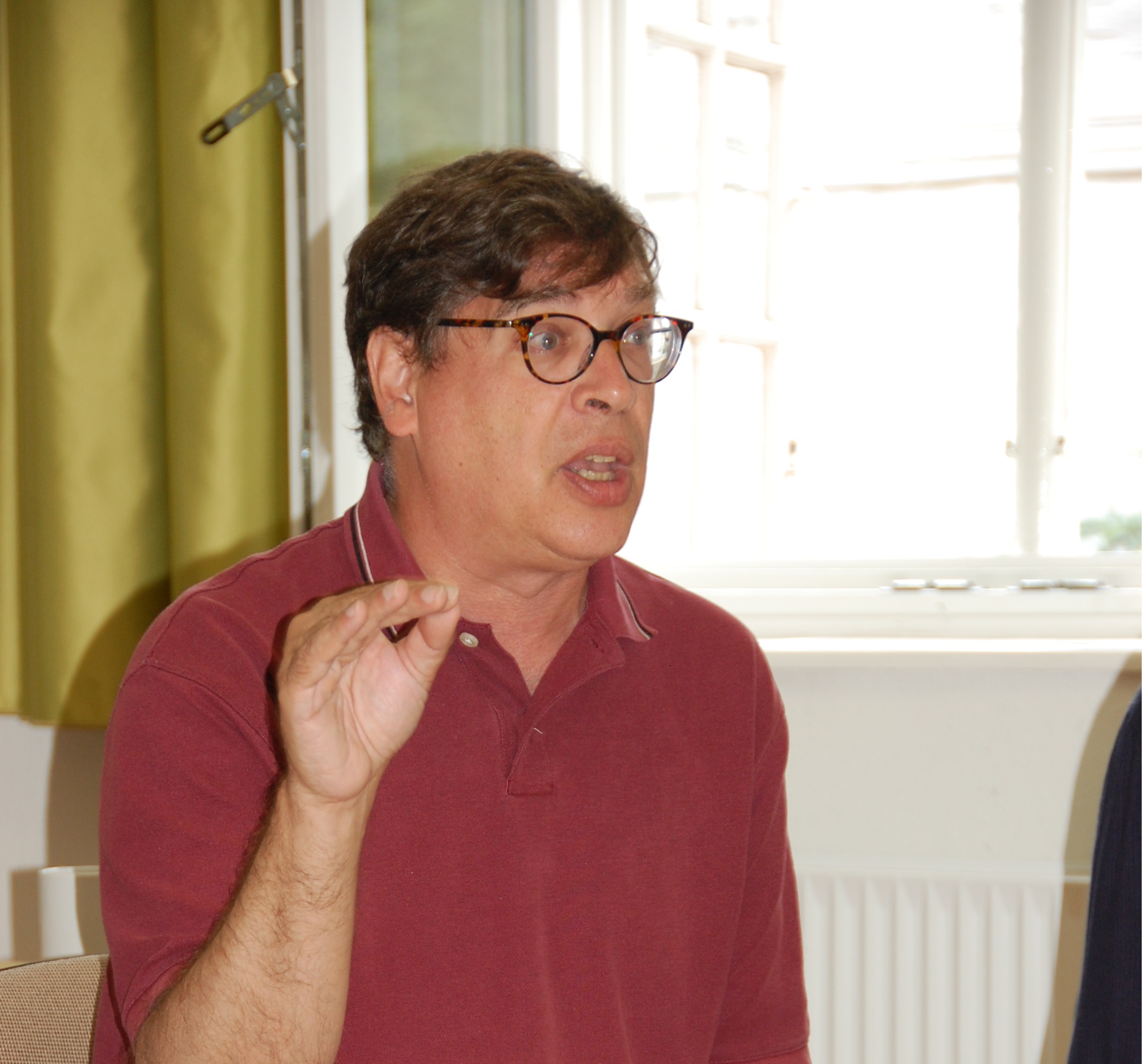
Served as Commissioner of the State Civil Service Committee, Founder of multiple non-profits
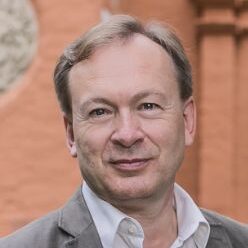
Martin Kaiser
Politikwissenschaftler; langjährige Tätigkeit in politischer Bildung, interkulturellem Dialog und internationaler Arbeit; seit 1. Juni 2012 Leiter des Gustav Stresemann Instituts
Kontakt:
Telefon: (0 58 21) 9 55-11 1
E-Mail: martin.kaiser@gsi-bevensen.de
Um Ihnen ein optimales Erlebnis zu bieten, verwenden wir Technologien wie Cookies, um Geräteinformationen zu speichern und/oder darauf zuzugreifen. Wenn Sie diesen Technologien zustimmen, können wir Daten wie Ihr Surfverhalten oder eindeutige IDs auf dieser Website verarbeiten. Wenn Sie Ihre Zustimmung nicht erteilen oder zurückziehen, können bestimmte Merkmale und Funktionen beeinträchtigt werden.